Dublin's geography is more horizontal than vertical — the city sprawls across a coastal plain with the Liffey dividing north from south, and the highest points within the city boundary are the modest hills of Phoenix Park and the ridge of Ranelagh and Rathmines to the south. This means that Dublin's best views are not skyscraper panoramas but rather carefully framed compositions of Georgian streetscapes, the Custom House dome, the Poolbeg chimneys, and the occasional glimpse of sea or mountain that reminds you this is a coastal capital in a mountain-ringed bay.
The most celebrated Dublin view is from the Pigeon House Road along the South Wall — a narrow granite pier extending 3km into Dublin Bay, terminating at the red and white striped Poolbeg lighthouse. Standing at the lighthouse end looking west, the entire Dublin skyline is visible: the Poolbeg chimneys (now protected heritage landmarks), the Docklands developments, the spire of the Pro Cathedral, and the Wicklow Mountains stacked behind. This view is photographed thousands of times daily but requires a 45-minute walk along the sea wall.
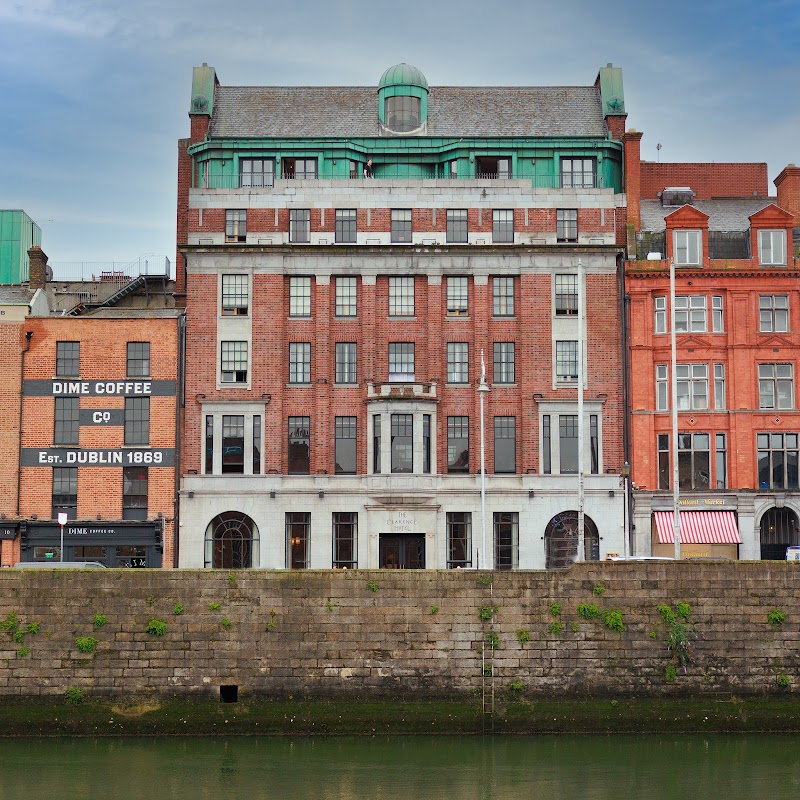
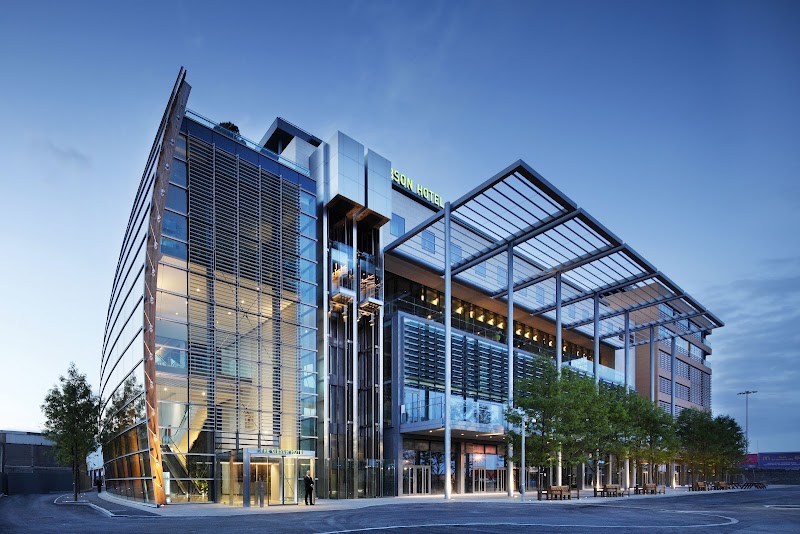
The Docklands — Dublin's regenerated post-industrial east bank — has changed the city's skyline dramatically since 2000. The Grand Canal Dock area (Google's European HQ, the Bord Gáis Energy Theatre) and the Silicon Docks tech quarter have brought contemporary architecture to a city previously dominated by Georgian brick. Hotels in the Docklands area have views of the Liffey estuary, the Grand Canal basin, and the industrial-heritage architecture of the former warehouses that frame modern glass towers.
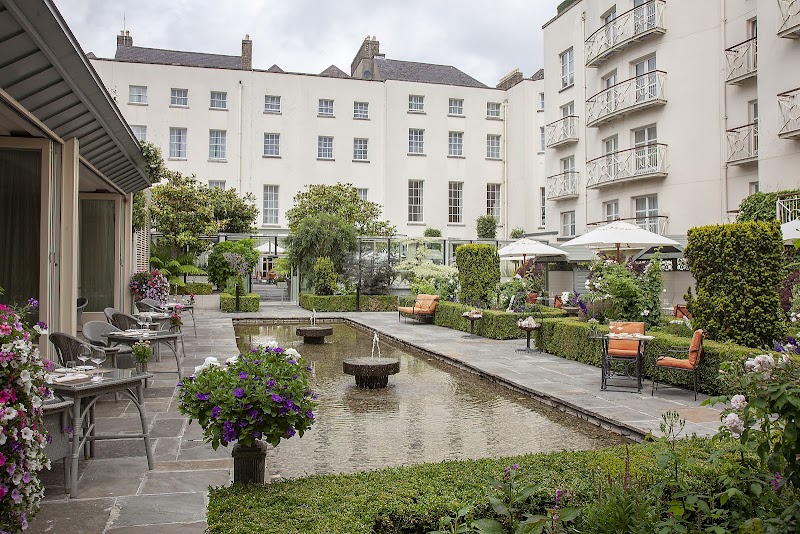
Dublin's Georgian core, centered on Merrion Square, Fitzwilliam Square, and the long Fitzwilliam Street terrace, provides a different kind of beauty — the repetitive grammar of brick facades, white-painted doorways with fanlight windows, and wrought-iron railings creates a cityscape of remarkable visual coherence. The best hotel rooms in this area look across Georgian squares to garden parks that are among the most precisely maintained in any European capital.
The Wicklow Mountains, beginning just 15km south of Dublin city center, are visible from elevated positions in the city's southern neighborhoods — Rathmines, Rathgar, and the Dundrum area. On clear days they provide a dramatic backdrop to the city's southern suburbs, and the sense of geological scale beyond the Georgian terraces is a distinctly Irish juxtaposition. Several hotels in south Dublin have partial mountain views from upper floors.