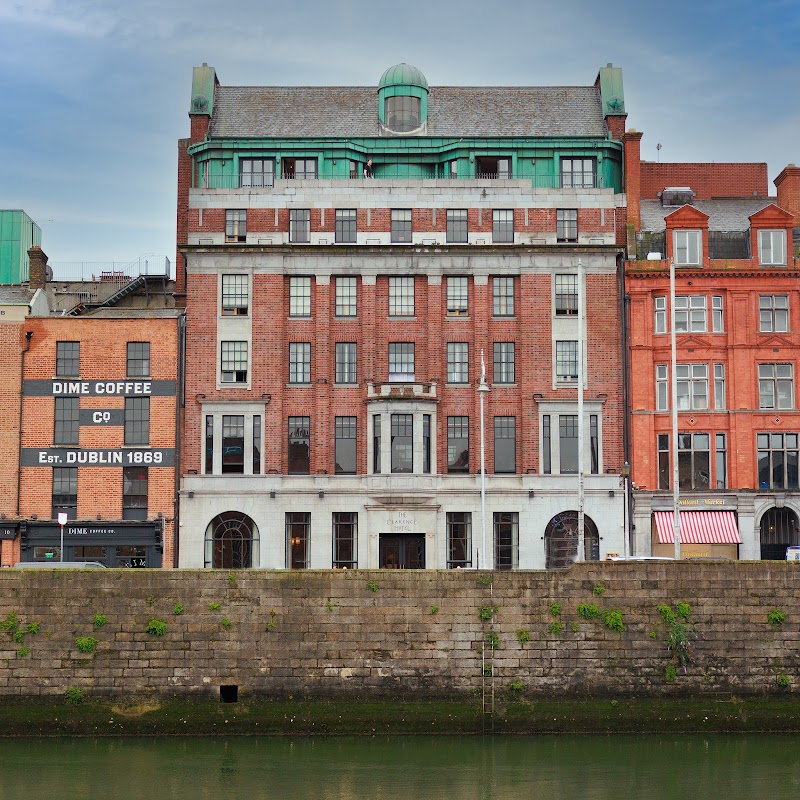
Dublin's city centre occupies the northern and southern banks of the River Liffey, with the two halves connected by a series of historic bridges — the Ha'penny Bridge (an 1816 cast-iron pedestrian crossing) being the most photographed. The southern side hosts the majority of Dublin's premier hotels, main shopping streets, and cultural institutions, while the northern side (around O'Connell Street, the GPO, and the IFSC Docklands) is increasingly relevant for accommodation as new developments reshape the north quays.
The area bounded by St. Stephen's Green to the south, Trinity College to the east, Christ Church Cathedral to the west, and the Liffey to the north constitutes Dublin's core, and hotels within this zone offer unparalleled pedestrian access to the city's principal attractions. Grafton Street, Dublin's pedestrianized main shopping thoroughfare, runs north from St. Stephen's Green to Trinity College and is lined with high-quality retailers, excellent street musicians, and the excellent Bewley's Oriental Café (a Dublin institution since 1894).
Temple Bar, Dublin's designated cultural quarter between Dame Street and the Liffey, is the city's most internationally recognized neighborhood — a warren of cobblestone streets, galleries, music venues, and pubs that draws visitors from across the globe. While Temple Bar's bars can be tourist-heavy, the neighborhood also contains excellent cultural institutions: the Irish Film Institute, the Gallery of Photography, the Project Arts Centre, and the brilliant Temple Bar Food Market (Saturday mornings) are all within the quarter.
The Georgian Dublin of the 18th and 19th centuries survives in beautiful condition in the Merrion Square and Fitzwilliam Square areas, just east of Grafton Street. These intact Georgian terraces — four-story brick townhouses with uniformly painted doors, boot scrapers, and fanlight windows — contain the city's finest hotels (the Merrion, the Fitzwilliam) and border the National Gallery of Ireland, the Natural History Museum, and the quiet private square gardens.
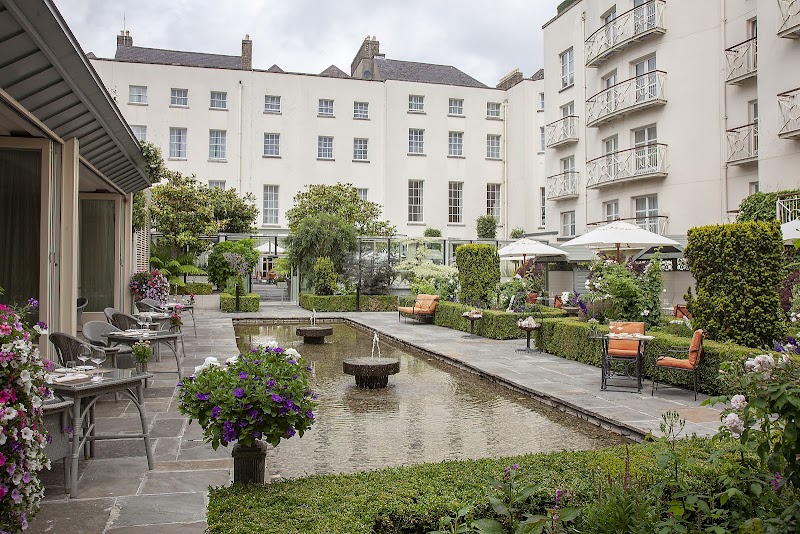
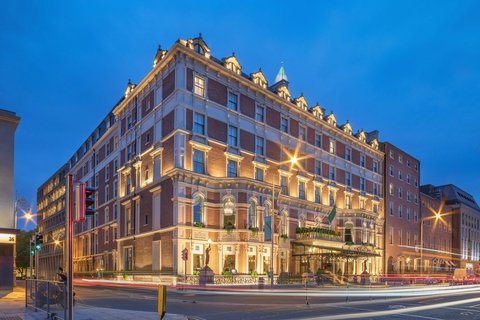
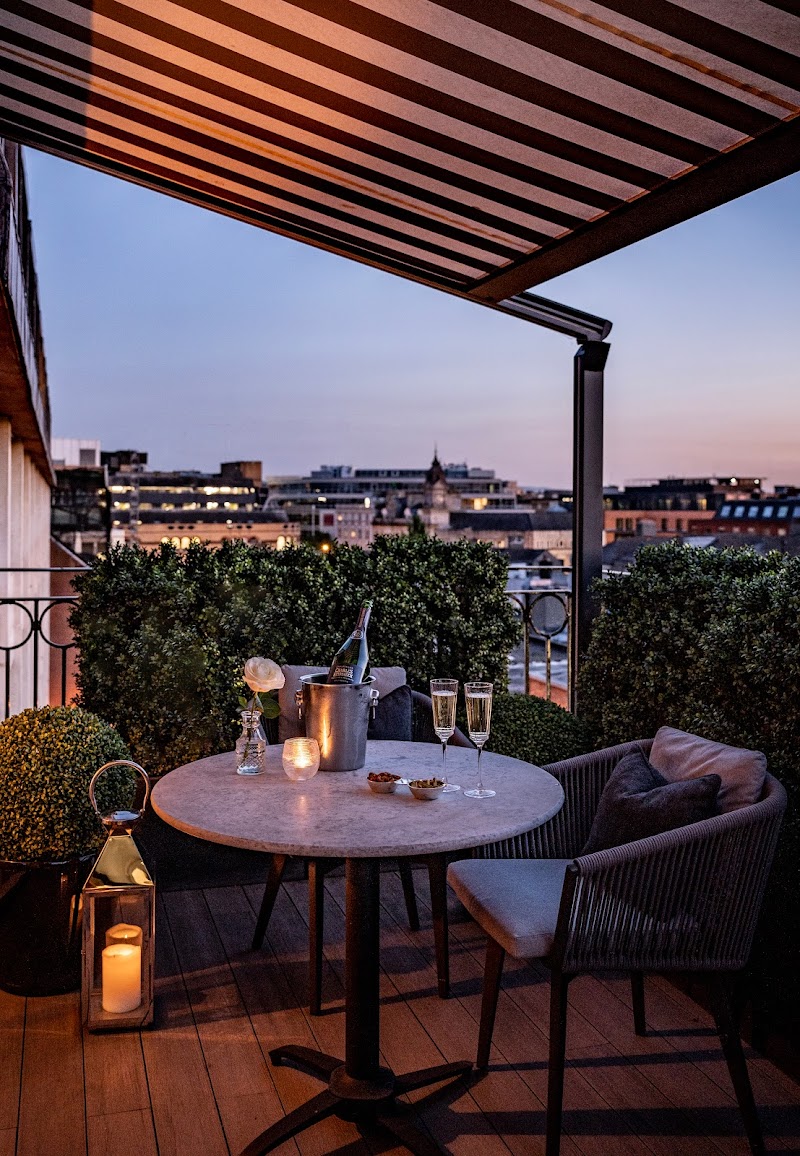
Dublin city centre's hotel market caters to the full accommodation spectrum, from budget hostels on the north side to some of Ireland's finest five-star properties around St. Stephen's Green and Merrion Square. The competitive hotel market means value is generally good relative to comparable European capitals, and the city's ongoing development means new properties have been adding quality to the mid-market segment.