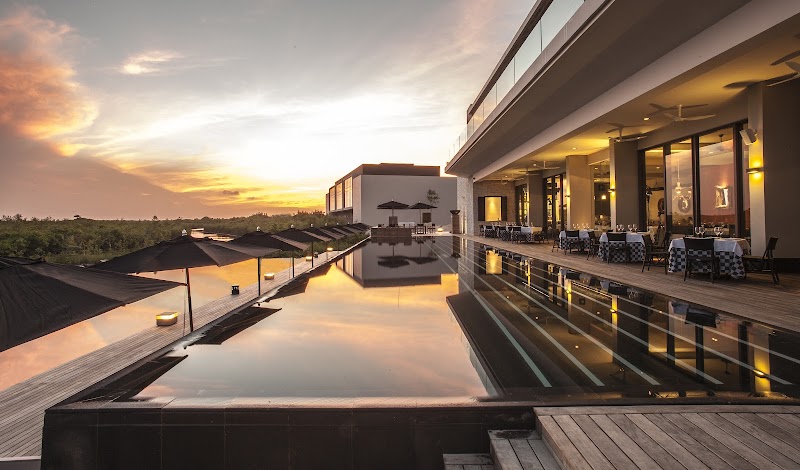
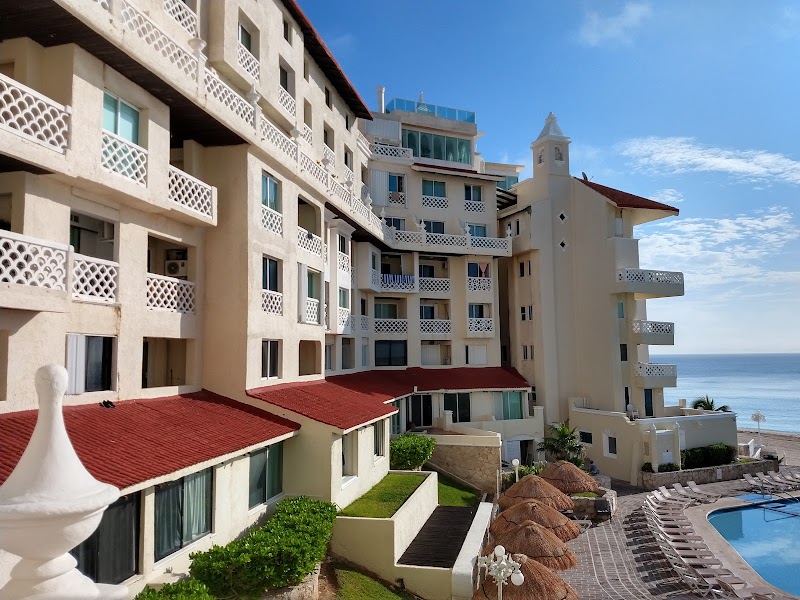
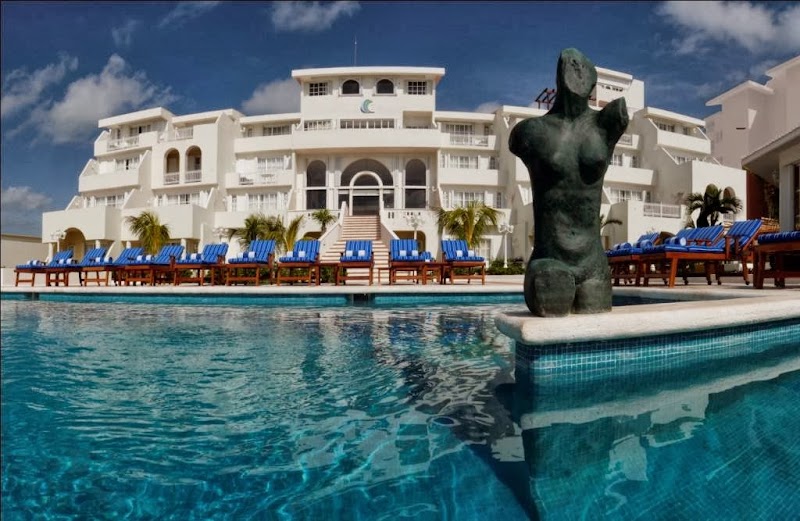
The Hotel Zone (Zona Hotelera) that most visitors picture when they think of Cancun is a narrow strip of land — technically a barrier island — separating the Caribbean Sea from Nichupté Lagoon. Its 22-kilometer length is dominated by international chain resorts, but there are pockets of boutique character scattered throughout, particularly at the quiet southern end near Punta Nizuc where the lagoon narrows and the reef sits closest to shore. Properties at this southern tip offer direct Caribbean access without the spring break energy of the northern hotel strips.
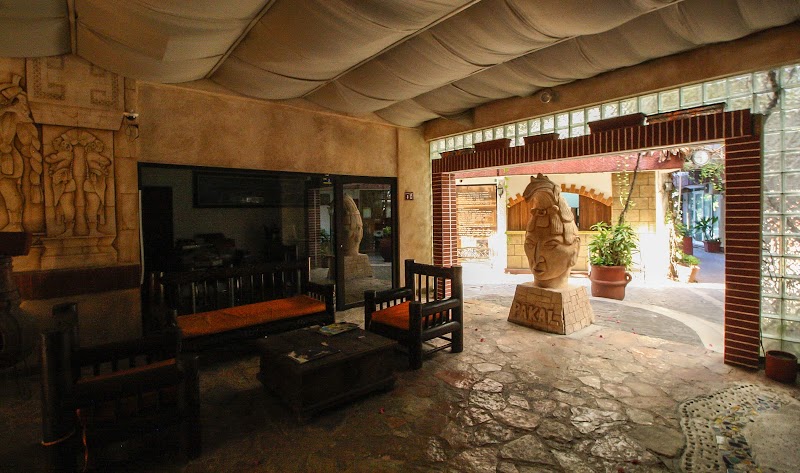
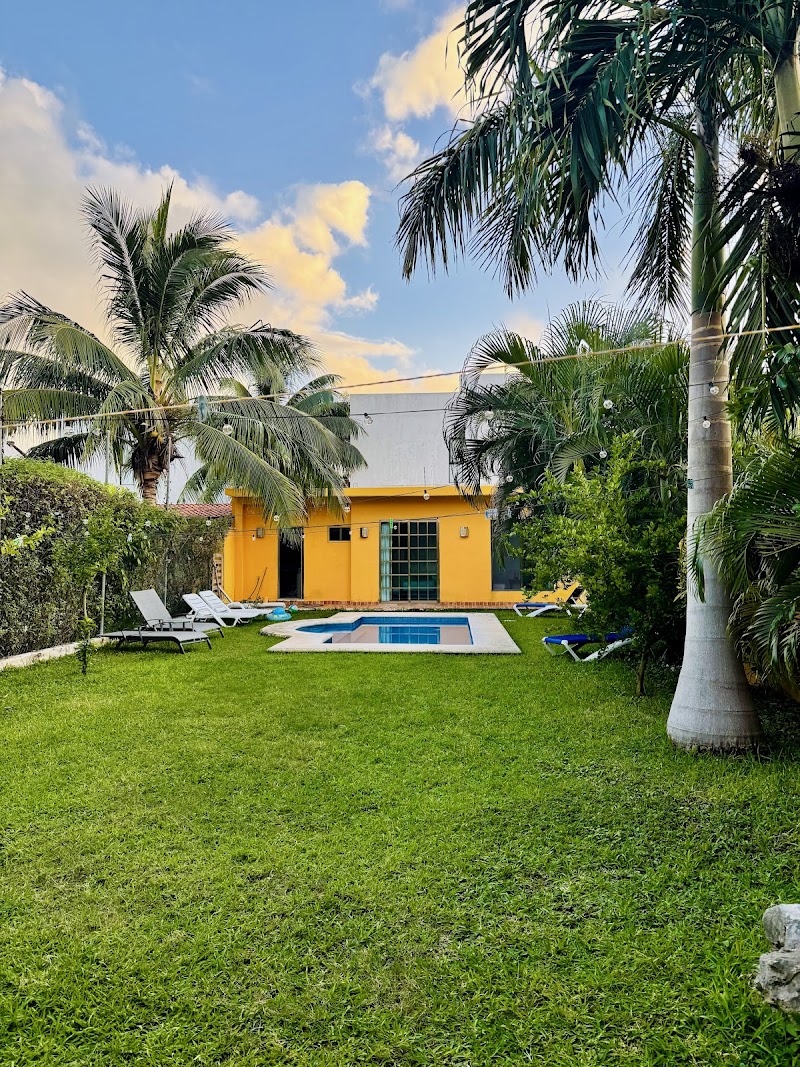
Downtown Cancun — Ciudad Cancun, centered on Parque de las Palapas — is the city's original settlement and feels like an entirely different country from the Hotel Zone. Mexican families, street food vendors, taco stalls under fluorescent lights, and a network of independent restaurants and markets create an authentic urban experience that the all-inclusive corridor deliberately insulates guests from. A small but growing collection of boutique hotels and design-forward guesthouses has taken root in the city center, particularly around El Centro's Avenida Nader and Avenida Uxmal.
For travelers who see Cancun primarily as a gateway to the rest of the Yucatan Peninsula — Puerto Morelos, Playa del Carmen, Tulum, the cenotes of the Route of the Cenotes — staying Downtown makes practical sense. The ADO bus terminal is central, rental car agencies are cheaper and more plentiful than in the Hotel Zone, and the local price level (restaurant meals, taxis, market shopping) is a fraction of what the same activities cost inside the resort corridor.
Puerto Morelos, 30 kilometers south of Cancun on Highway 307, deserves mention as an alternative boutique base for visitors to the area. The fishing village still maintains its small-town character despite proximity to Cancun, the National Marine Park reef immediately offshore offers exceptional snorkeling, and a cluster of genuinely small boutique hotels — Casa Caracol, Rancho Sak Ol — has established the town as a preferred base for independent travelers who want Caribbean Mexico without the resort-industry scale.
The culinary scene attached to Cancun's boutique properties has improved markedly in recent years. Chefs trained at Mexico City's most respected kitchens have opened restaurants in both the Hotel Zone and Downtown that take Yucatecan ingredients seriously — cochinita pibil, fresh ceviche, habanero-and-lime marinades, and the extraordinary honey of the native stingless bee. These restaurants are typically attached to or adjacent to the city's boutique properties, making the hotel and dining choice interconnected.