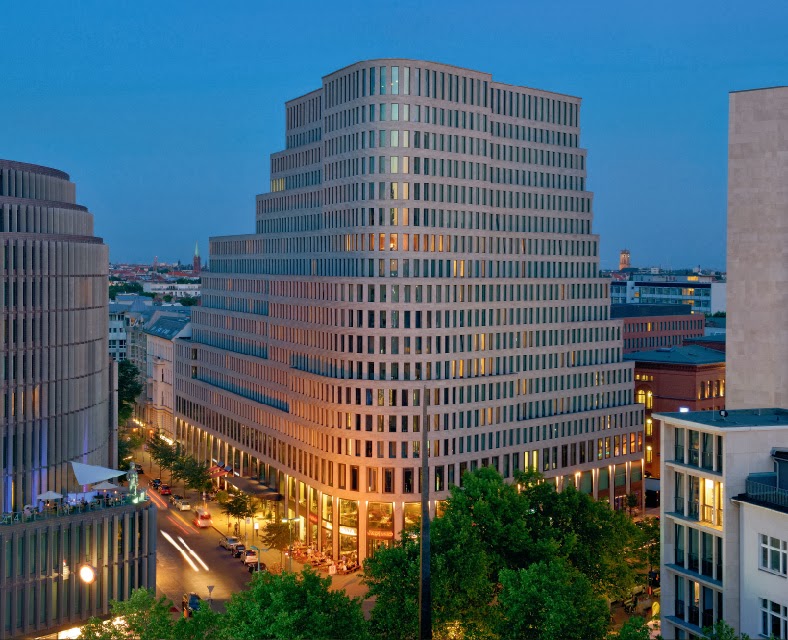
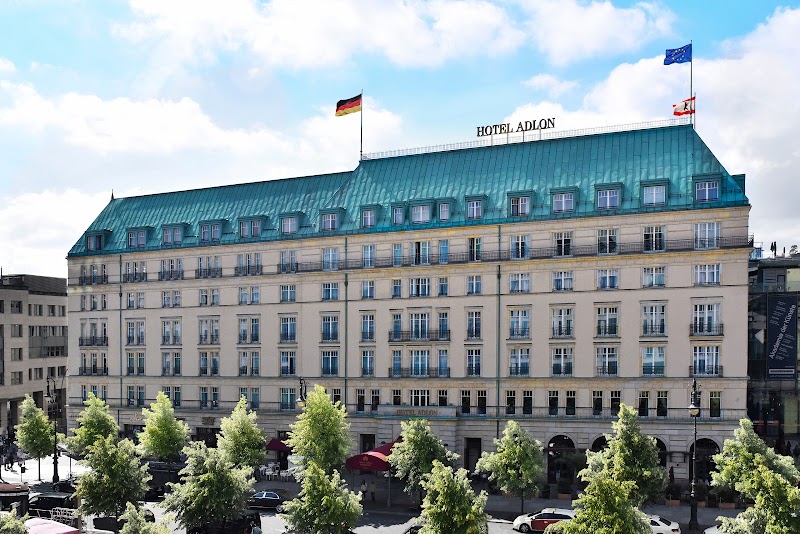
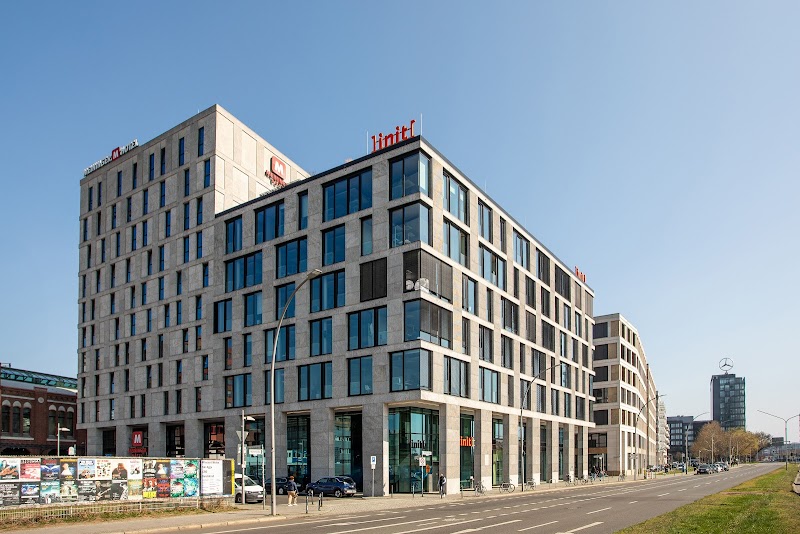
Berlin's neighborhoods have distinct personalities, and the right choice for your family depends on your priorities. Mitte — the historic center — puts you within walking distance of Museum Island, the Brandenburg Gate, and the Reichstag, but hotel prices reflect that prime positioning. Prenzlauer Berg, just north of Mitte, has emerged as Berlin's unofficial family neighborhood: quiet residential streets, excellent playgrounds, the Mauerpark flea market on Sundays, and a density of family-run cafes and restaurants that cater to the area's large population of young families.
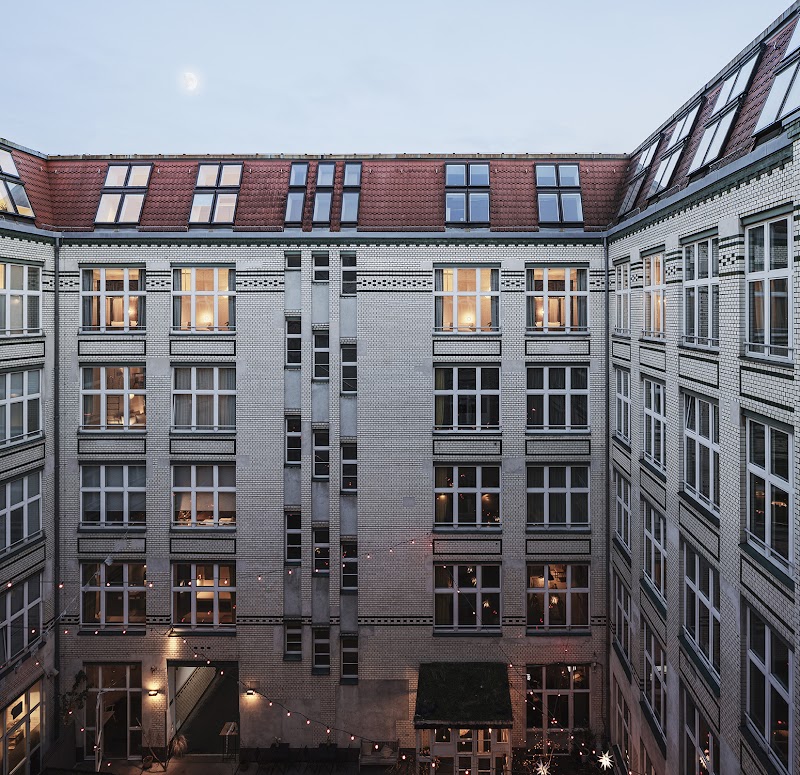
Charlottenburg, in western Berlin, offers a more traditional city feel anchored by the Kurfürstendamm shopping boulevard and the baroque Charlottenburg Palace with its vast formal gardens. The area is central to many western Berlin attractions — the Berlin Zoo (one of the world's largest and most diverse), the Natural History Museum, and the Tiergarten park. Hotels here tend to be good value compared to Mitte and many are in stately Wilhelmine buildings with the space that apartment-style family accommodation requires.
Museum Island deserves a full day from any family, even with young children. The Pergamon Museum, home to the full-scale Pergamon Altar and the reconstructed Ishtar Gate of Babylon, is genuinely spectacular and surprisingly accessible for curious children. The Altes Museum and Neues Museum round out the complex. All are free for visitors under 18, which is a significant saving for a family of four.
The DDR Museum on the Spree riverbank is one of Berlin's most interactive experiences — a hands-on exploration of daily life in East Germany that children engage with enthusiastically. Nearby, the East Side Gallery (the longest remaining section of the Berlin Wall) is a powerful outdoor art installation that takes 30–45 minutes to walk in full. These two experiences together constitute the most accessible introduction to Berlin's Cold War history for families with children aged 8 and above.
For outdoor days, the Tiergarten is a genuine urban wilderness: 210 hectares of woodland, meadows, and lakeside paths in the heart of the city. The English Garden-style Volkspark Friedrichshain in the east has an excellent adventure playground and regular open-air cinema screenings in summer. Tempelhof Field — the former Cold War-era airport converted to a public park — is unlike anything in European urban space: a vast, flat expanse where families cycle, fly kites, and rollerblade on the original runway tarmac.