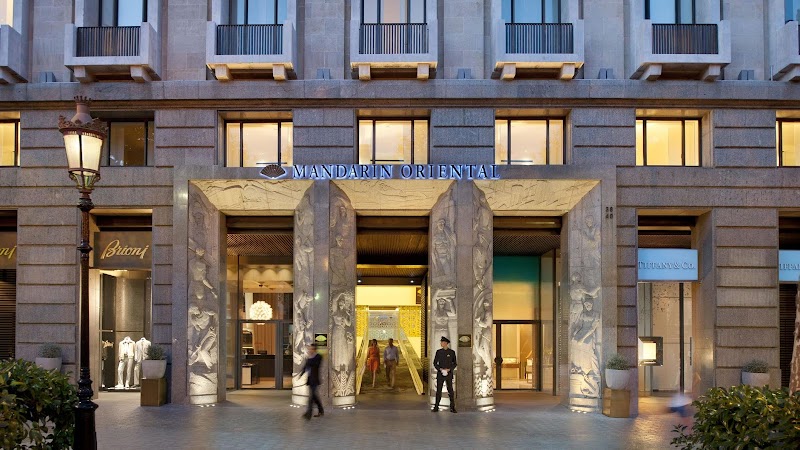
Barcelona operates on a schedule that suits the solo traveler beautifully: the city doesn't truly come alive until well after 9 p.m., which gives you the entire afternoon for museums and architecture, and the entire night for the kind of social exploration that requires no itinerary. The key is choosing accommodation that puts you in the middle of this rhythm rather than apart from it.
The Eixample — specifically the area around Passeig de Gràcia, Carrer del Consell de Cent, and the Gayxample (the LGBTQ+-friendly core around Carrer del Consell de Cent and Carrer de Muntaner) — is the ideal base for most solo travelers. Wide, walkable boulevards, excellent Modernisme architecture at every corner, and a restaurant and bar scene that runs from elegant pintxos bars to standing-room tequila joints ensure you're never bored and rarely eating alone unless you want to.
El Born and the Gothic Quarter attract solo travelers who want maximum medieval atmosphere and the concentrated energy of the city's most historic neighborhoods. The streets are narrow and car-free, the bars are tiny and social, and the access to the Barceloneta beach neighborhood (a 15-minute walk) adds a beach dimension that most European city breaks can't match. Hotel density is high in these neighborhoods, but price competition keeps rates reasonable.
Gràcia, slightly uphill from the Eixample, is Barcelona's most village-like neighborhood — a grid of small plazas lined with outdoor terraces, independent bookshops, and international restaurants. It's a quieter solo base but rewards travelers who want to feel like a resident rather than a tourist. The Fontana and Diagonal Métro stations provide quick access to the center.
Practical note on solo safety: Barcelona has a well-documented pickpocket problem concentrated on Las Ramblas, the Gothic Quarter, and beach areas. Use a money belt or anti-theft bag in these zones. The rest of the city is generally very safe, and the police presence in tourist areas has increased significantly in recent years.