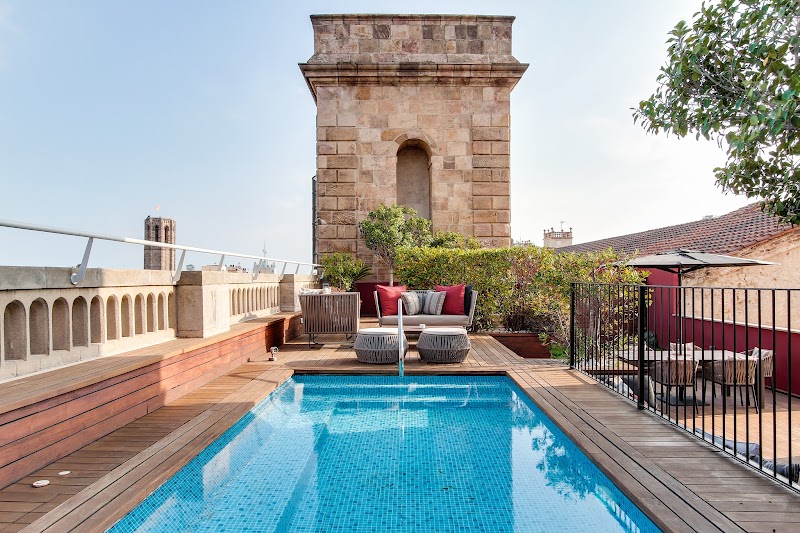
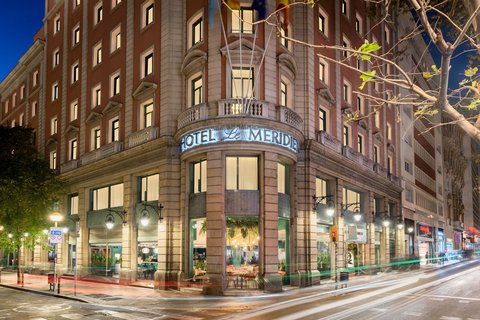
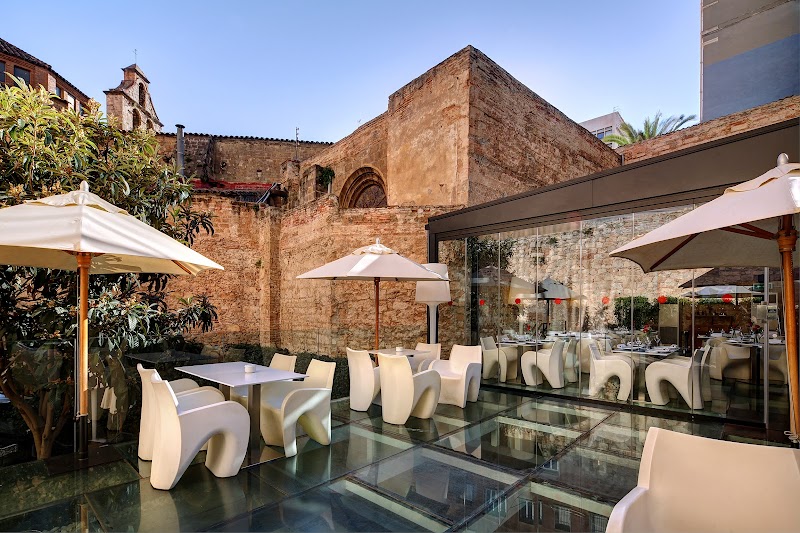
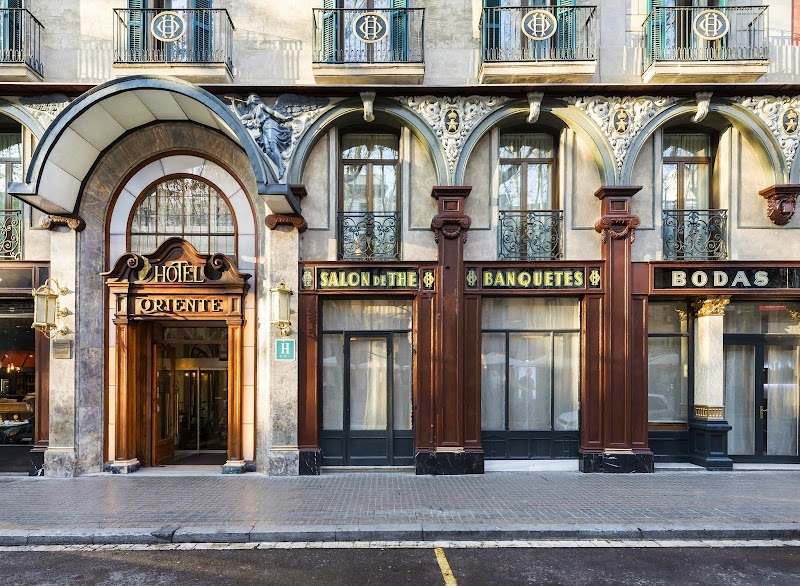
La Rambla's hotel landscape is defined by its buildings' histories as much as their current hospitality incarnations. The Hotel 1898, in a former tobacco factory built for the Philippines Tobacco Company, has the most satisfying narrative: a building that once processed the colonial commodity now processes the city's visitors, its ornate industrial bones visible in the lobby and corridors. The Le Méridien, La Rambla's stalwart grand hotel, has hosted everyone from Michael Jackson to the Rolling Stones in its long history of receiving the internationally famous. Hotel Oriente, built in a former 17th-century Franciscan college, offers perhaps the most evocative physical experience of all the boulevard's properties.
The practical reality of staying on La Rambla requires honest assessment. The street is lively — an understatement that borders on creative writing — with street performers, tourists, overpriced terraces, and nocturnal activity that continues well past any reasonable hour. Rooms facing La Rambla are experiential in a very specific way: fascinating for a night, potentially exhausting for a week. The clever move is to request interior courtyard rooms or rear-facing rooms, which typically reduce the street noise dramatically while keeping you within the La Rambla orbit.
The strategic advantages of La Rambla as a base remain compelling despite these complexities. The boulevard connects the Eixample at the top with the Port at the bottom, bisecting the old city and providing access to both the Gothic Quarter and El Raval within minutes on foot. La Boqueria market — one of Europe's great food markets, albeit increasingly tourist-oriented — is immediately accessible. The Opera House (Gran Teatre del Liceu) is on La Rambla itself. And the sheer pedestrian energy of the street, exhausting as it can be, is genuinely unlike anything else in Europe.
For first-time visitors who want to feel immediately immersed in Barcelona's most theatrical aspect, a La Rambla hotel makes complete sense. For repeat visitors who want to discover the city's quieter, more local dimensions, the Gothic Quarter side streets or the Eixample will serve better. The accommodation here is best understood as a performance space — you are, literally, on Barcelona's main stage.