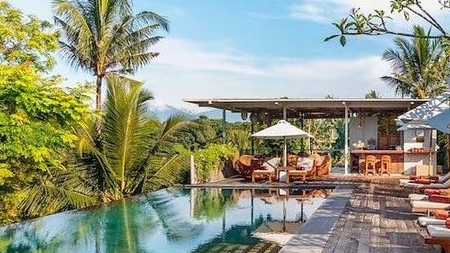
Bali's food landscape divides into three distinct zones that reflect the island's topography. The south — Seminyak, Canggu, Kerobokan — is the hub of the international food scene. Seminyak Road and its tributaries have been colonized by excellent restaurants: Merah Putih (Balinese cuisine in a stunning bamboo cathedral), Mozaic Beach Club (seafood with surfer energy), and the various beachfront dining establishments that range from excellent to tourist-trap with little in between. Canggu is younger and more casual, with the Echo Beach and Batu Balong café strips serving the digital-nomad community's preferred mix of smoothie bowls and excellent Indonesian coffee.
Ubud, in the island's cool green interior, is Bali's culinary soul. The Ubud food scene is driven by the extraordinary quality of local ingredients: organic vegetables from the Kintamani highlands, free-range duck from the Ubud area, fresh tempeh and tofu from neighborhood producers, and the jackfruit and banana-blossom that go into Balinese ceremonial cooking. Ibu Oka on Jalan Tegal Sari serves the island's most celebrated babi guling (whole suckling pig stuffed with spices and slow-roasted) — the queen has served here. The Warung Biah Biah on Jalan Gautama and Warung Teges near the Monkey Forest serve authentic Balinese family cooking to visitors who seek them out.
The Ubud Organic Market at the ARMA museum complex (Saturday mornings) is one of Southeast Asia's best small food markets — local farmers bring heirloom tomatoes, hand-harvested rice, wild mushrooms, and artisan products from the surrounding villages. The Ubud Cooking School at Paon Bali offers half-day programs that include a market visit and hands-on instruction in the spice pastes (base genep, base rajang) that underpin all Balinese cooking.
The north of the island — Lovina, Amed, Candidasa — is less visited by food travelers but offers some of the island's most authentic dining. Local warungs in these coastal villages serve fresh fish caught that morning: grilled jukut (fish), sambal matah (raw shallot and lemongrass relish), and steamed rice that tastes different because it comes from the terraced paddies visible from the restaurant. This is Bali before the wellness industry arrived.
Balinese coffee deserves its own mention. The kopi tubruk tradition — boiled ground coffee left to settle in the cup — produces a thick, intensely flavored brew that bears little resemblance to espresso. The specialty coffee scene in Ubud (Seniman Coffee) and Canggu (Common Grounds, Anomali Coffee) has introduced third-wave sourcing and technique to the island's extraordinary local arabica from Kintamani, creating a coffee culture that rewards exploration.