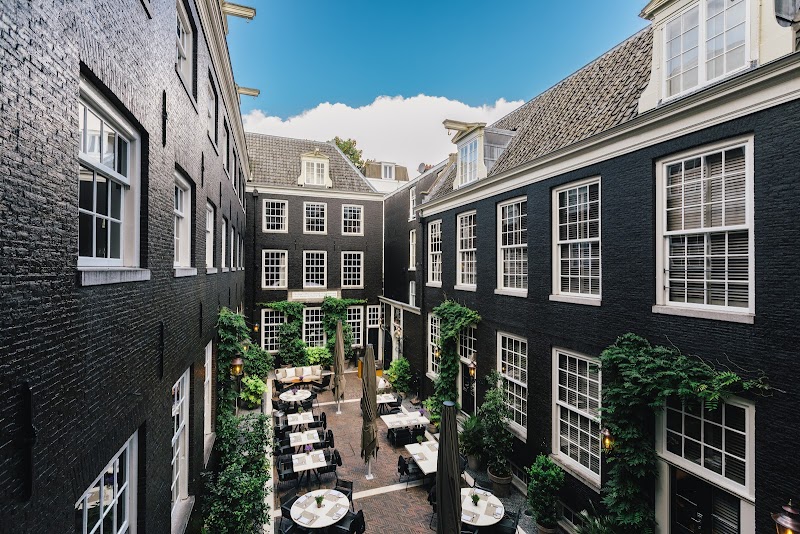
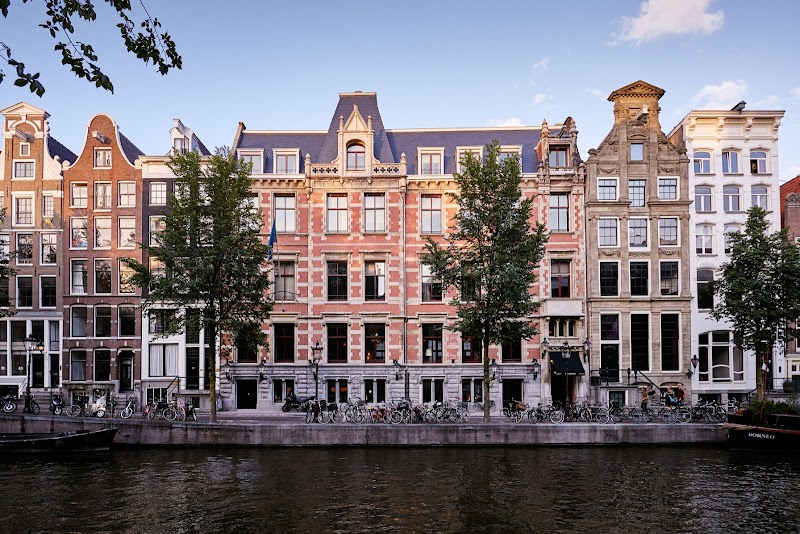
Amsterdam's canal ring — the Grachtengordel — is a UNESCO World Heritage marvel of 17th-century urban planning. The four concentric canals (Singel, Herengracht, Keizersgracht, and Prinsengracht) were built as the city's commercial arteries during the Dutch Golden Age, and the patrician merchant houses lining their banks — gabled, narrow-fronted, leaning forward over the water — are among the finest examples of urban domestic architecture in the world. Walking the Herengracht at dusk, when the canal lights come on and the gabled reflections appear in the still black water, is the quintessential Amsterdam romantic experience.
The Jordaan, west of the Prinsengracht, is the neighborhood that most honeymooners fall in love with. Originally a working-class district of artisans and traders, it has evolved into Amsterdam's most charming residential neighborhood — small art galleries, independent bookshops on the Bloemgracht, the Noordermarkt on Saturdays (organic food, antiques, and the smell of stroopwafels being made on the spot), and restaurants ranging from traditional Dutch brown cafes (bruine kroegen) to contemporary Dutch cuisine of exceptional quality. The Jordaan feels like a secret that hasn't been fully discovered, even though it's been fashionable for 30 years.
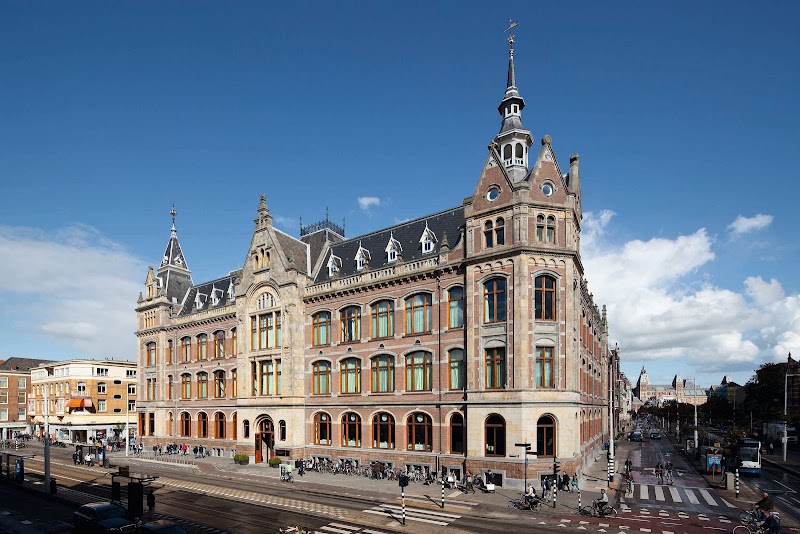
The Museum Quarter (Museumplein) anchors Amsterdam's cultural life around the Rijksmuseum (Rembrandt, Vermeer, Delft, and the history of Dutch painting in a building of extraordinary Neo-Renaissance beauty), the Van Gogh Museum, and the Stedelijk Museum of modern art. Honeymooners should budget a full morning for the Rijksmuseum — the building alone, with its central hall, library, and garden courtyard, would justify a visit without the paintings — and arrive at opening time to experience the Night Watch before the midday crowds assemble.
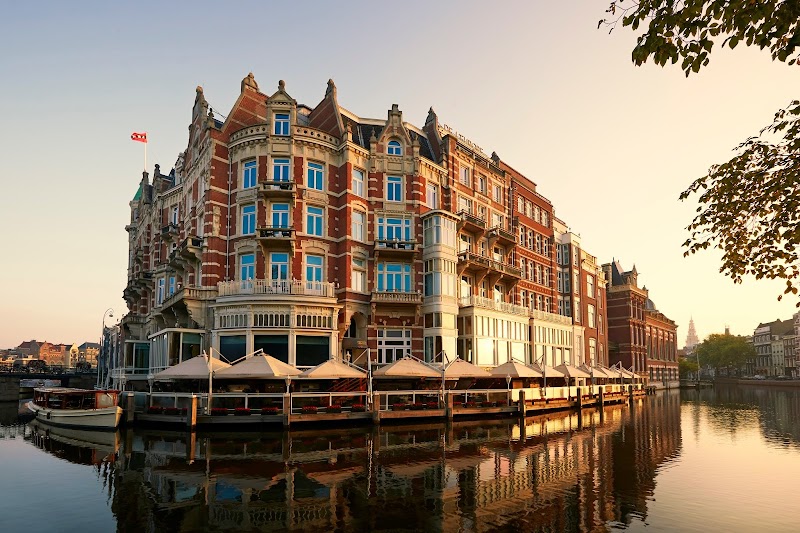
Amsterdam's restaurant scene has matured into a European dining destination without the pretension that accompanies culinary ambition in some other cities. Bord'eau (one Michelin star) in the Hotel de l'Europe serves river-view contemporary French-Dutch cuisine in perhaps Amsterdam's most beautiful dining room. Vermeer, Restaurant Breda, and the remarkable Indonesian restaurant Blauw (celebrating the deep culinary relationship between the Netherlands and its former colony) represent very different but equally compelling approaches to eating well in the city.
For honeymooners who want to explore beyond the canals, Haarlem (20 minutes by train) offers one of the best-preserved medieval city centers in the Netherlands, with the Grote Markt, the Frans Hals Museum, and a charming lunch-and-afternoon-coffee culture that is quintessentially Dutch without the tourist density of Amsterdam. The tulip fields of the Bollenstreek (April–May) are accessible by bicycle from Haarlem and constitute one of the most visually extraordinary landscapes in Northern Europe — a honeymoon day trip that happens to coincide with Amsterdam's finest season.