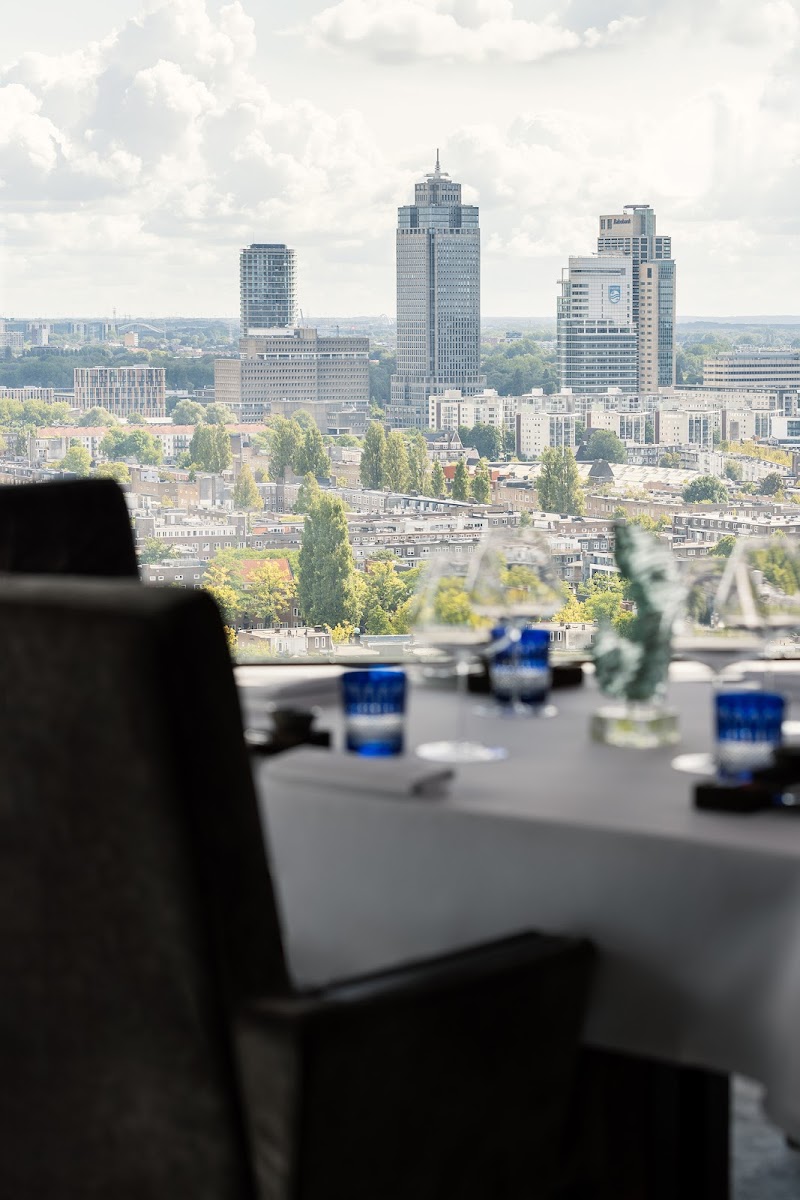
Amsterdam's food geography radiates from the central canals outward. The Jordaan, the postcard-pretty canal neighborhood west of the city center, is where the city's best neighborhood restaurants have always clustered. The Westerstraat and Rozengracht area hosts excellent brown cafés (bruine kroegen) serving Dutch bitterballen and locally brewed beer alongside kitchens that cook serious food — Toscanini on Lindengracht is one of the city's best Italian restaurants; Café Restaurant Amsterdam in the former waterworks is a spectacular industrial space serving confident Dutch-inspired cooking. The Jordaan Saturday market on Noordermarkt square is the most atmospheric food market in the city.
De Pijp, south of the museum quarter, is Amsterdam's most diverse and exciting food neighborhood. The Albert Cuyp Market — the largest street market in the Netherlands, running the length of a canal street — sells herring from barrel-cured vendors, fresh stroopwafels still warm from the iron, stroopwafel cream puffs, and ingredients from the Indonesian, Moroccan, and Surinamese communities that make the neighborhood. The surrounding streets have excellent restaurants: Restaurant Bougainville (Dutch technique meets global influences), Taiko (pan-Asian omakase), and the Indonesian rice table restaurants that are among the city's most unique culinary traditions.
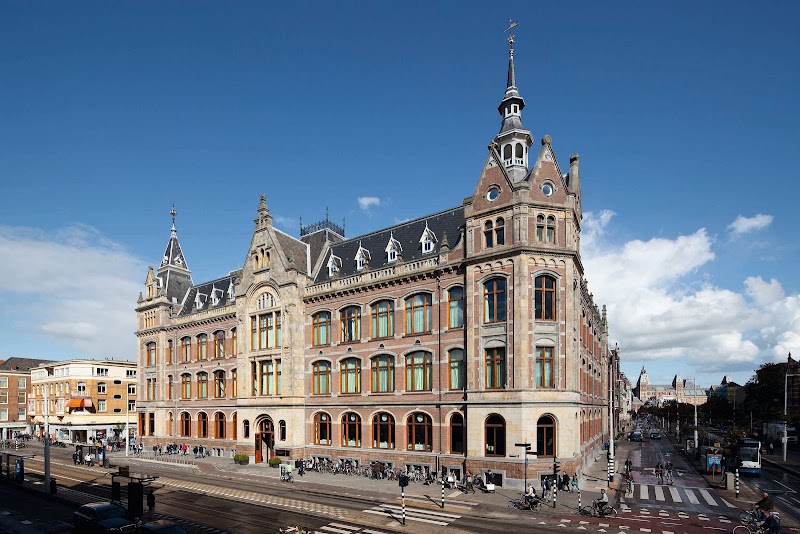
Rijksmuseum and the Museum Quarter area has seen restaurant quality improve enormously, with several genuinely excellent addresses now catering to the cultural-tourist trade. The Conservatorium Hotel's Tunes restaurant and the restaurant at the Rijksmuseum's own café (serving Dutch herring, Dutch mustard soup, and stamppot) give visitors access to quality without traveling far. The Vondelpark area's café terraces are at their best in summer, when the city's population migrates outdoors.
The Dutch food calendar has remarkable seasonal moments: the first new herring (Hollandse Nieuwe) arrives in June with ceremony at fishmonger stalls across the city — held by the tail and lowered into your mouth, raw and cured in brine, with onion and gherkin. White asparagus (asperges) season in April–May sees Dutch restaurants build entire menus around the crop; mushroom foraging in autumn brings earthy chanterelles and porcini to market stalls; Zeeland oysters are at their best October–March.
Amsterdam's natural wine movement has accelerated significantly, with wine bars like Bar Centraal, Café Gollem (world-class beer selection), and the wine-focused restaurants of the Jordaan and De Pijp developing a genuinely experimental scene. The city's Indonesian restaurant tradition — rijsttafel (rice table), a colonial-era tradition of 15–30 small Indonesian dishes served simultaneously — is unique in Europe and available at restaurants throughout the Oud-Zuid and De Pijp neighborhoods.