Tokyo vs Kyoto: Where to Stay
Japan's two most compelling hotel cities offer radically different experiences. Tokyo is a metropolis of contrasts — minimalist design hotels in Shibuya, classic luxury in Marunouchi, avant-garde capsules in Shinjuku, and some of the world's most exciting hotel restaurants. Kyoto moves at a different tempo — traditional ryokans with tatami rooms, kaiseki cuisine, and machiya townhouses converted into intimate inns. Choosing between them is really choosing between two Japans.
The Comparison
How Tokyo and Kyoto hotels stack up across six key categories
Luxury Hotels
Tokyo leads in varietyTokyo offers more internationally-branded luxury — Aman, Park Hyatt (yes, that Lost in Translation view), The Peninsula, and Bulgari. Kyoto's luxury is more understated but equally refined — the Ritz-Carlton Kyoto and Aman Kyoto are stunning.
Traditional Japanese Stays
Kyoto leads decisivelyKyoto is the undisputed leader for ryokans and traditional Japanese hospitality. Tawaraya, Hiiragiya, and dozens of smaller inns offer experiences that define Japanese cultural tourism. Tokyo has some ryokan-style hotels but the genuine article lives in Kyoto.
Design Hotels
Tokyo leadsTokyo's design hotel scene is phenomenal — Trunk Hotel, BnA Alter Museum, and the MUJI Hotel showcase Japanese design innovation. Kyoto is more traditional in its aesthetic approach, though newer properties like Ace Hotel Kyoto blend contemporary design with heritage architecture.
Food & Dining
Tie — different strengthsBoth cities are Michelin powerhouses. Tokyo has more starred restaurants than any city on earth. Kyoto offers kaiseki — Japan's highest culinary art — in settings that elevate dining to ceremony. Different pleasures, both extraordinary.
Atmosphere & Setting
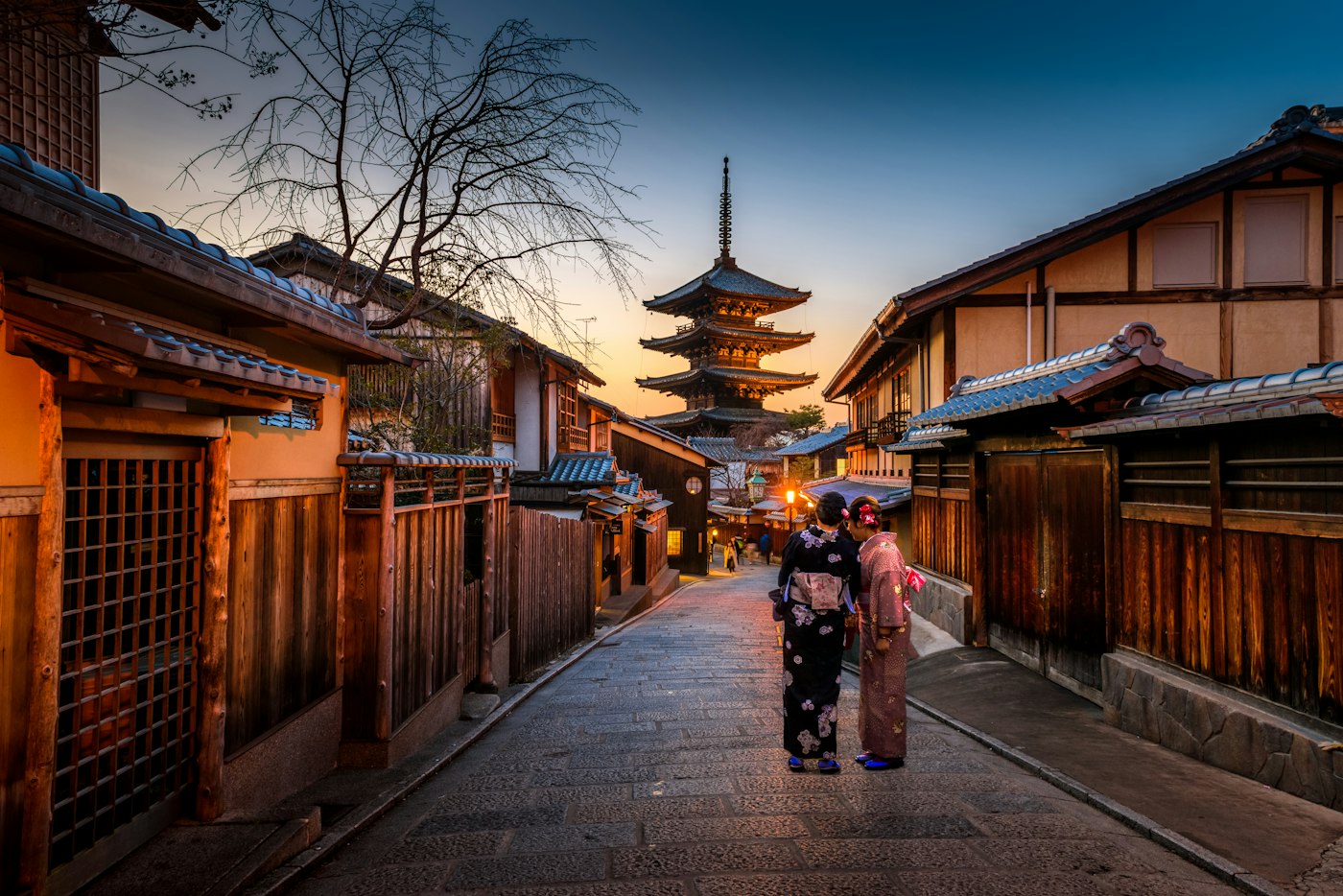
Kyoto leadsKyoto's temple-studded, bamboo-groved, geisha-inhabited landscape creates an atmosphere that no amount of hotel design can replicate. Tokyo's energy is intoxicating but urban. If setting matters most, Kyoto wins by a wide margin.
Value & Accessibility
Tokyo leads for practicalityTokyo has a wider range of price points and is the typical arrival city for international visitors. The Shinkansen connects both cities in 2 hours 15 minutes, making a split stay highly practical.
The Verdict
Choose Tokyo for: cutting-edge design, dining diversity, urban energy, and international luxury brands. Choose Kyoto for: traditional Japanese hospitality, ryokans, kaiseki, temples, and an atmosphere that feels like stepping back in time. Our recommendation: do both.