Kyoto vs Tokyo
Where Should You Stay in 2026?
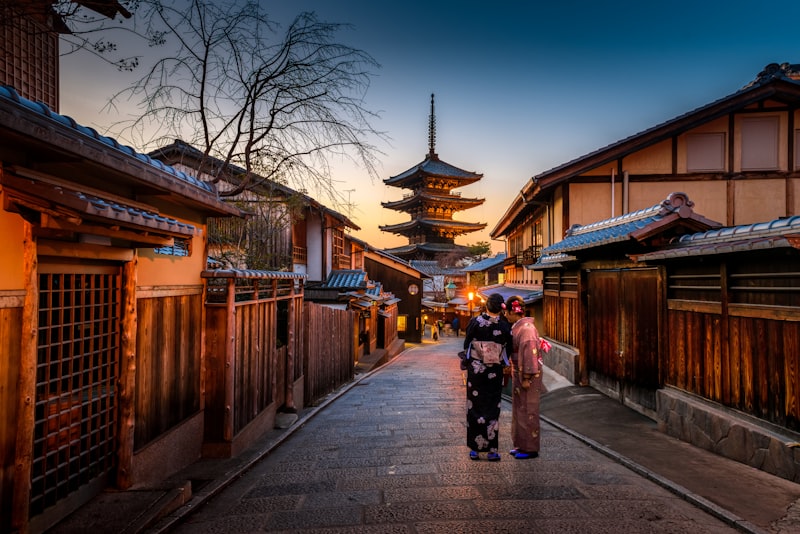
Kyoto
Japan
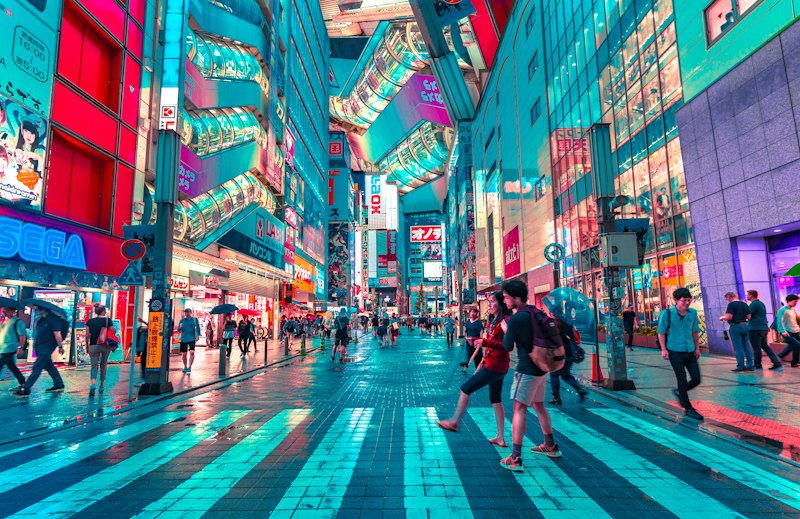
Tokyo
Japan
Japan's cultural soul versus its neon-lit beating heart. Kyoto preserves Japan's ancient traditions in 2,000+ temples and tea houses. Tokyo rockets forward with technology, pop culture, and a culinary scene that leads the world. Together, they are Japan — individually, they're two very different experiences.
Category-by-Category Comparison
Hotels & Accommodation
Kyoto
DrawKyoto's ryokan tradition is Japan's greatest hospitality experience: tatami rooms, kaiseki dinners, onsen baths, and kimono-clad service. Modern boutiques (Ace Hotel Kyoto, The Shinmonzen) add contemporary options. From ¥10,000-¥100,000/night.
Tokyo
DrawTokyo offers everything: capsule hotels, business hotels, design properties, and world-class luxury (Park Hyatt, Aman Tokyo, The Peninsula). The variety is unmatched, from ¥3,000 capsules to ¥200,000 presidential suites.
Food & Dining
Kyoto
Kyoto's kaiseki cuisine is Japan's most refined — multi-course seasonal meals elevated to art. The city's vegetarian Buddhist cuisine (shojin ryori) and matcha culture add unique dimensions. Nishiki Market is essential.
Tokyo
WinnerTokyo has the most Michelin stars of any city on earth. From ¥800 ramen to ¥50,000 sushi omakase, the range and quality defy comprehension. Tsukiji Outer Market, depachika food halls, and standing soba bars are daily adventures.
Cultural Experience
Kyoto
Winner2,000+ temples and shrines, geisha culture in Gion, tea ceremonies, zen gardens, and the bamboo grove of Arashiyama. Kyoto IS traditional Japan — every street offers cultural depth that rewards slow exploration.
Tokyo
Tokyo's culture is contemporary: Shibuya Crossing, Harajuku fashion, Akihabara electronics, Robot Restaurant, and the world's most creative retail landscape. Cultural depth exists (Meiji Shrine, Senso-ji) but the energy is modern.
Atmosphere
Kyoto
DrawSerene, measured, and occasionally magical (morning mist at Fushimi Inari, cherry blossoms at Philosopher's Path). The pace is slower, the aesthetic is restrained, and quiet beauty surrounds you.
Tokyo
DrawElectric, overwhelming, and endlessly stimulating. Tokyo never stops offering new things to discover. The energy is addictive, the neon is mesmerising, and the scale is humbling. Sleep is optional; discovery is mandatory.
Getting Around
Kyoto
WinnerCompact enough to cycle (many hotels offer free bicycles). Buses reach all major temples. The city is walkable in the central districts. Less complex than Tokyo's transit system.
Tokyo
The world's most efficient public transport system — but genuinely complex for visitors. The JR, Metro, and private railway systems overlap. Google Maps is essential. Once mastered, getting anywhere in Tokyo is effortless.
Our Verdict
Visit both — always. The Shinkansen connects them in 2 hours 15 minutes, making a combined trip effortless. Kyoto for the soul (3-4 days), Tokyo for the senses (4-5 days). If forced to choose: first-time visitors should prioritise Tokyo for its accessibility and variety; return visitors should deepen their Kyoto experience.
Frequently Asked Questions
Should I visit Kyoto or Tokyo first?
How long should I spend in Kyoto vs Tokyo?
Kyoto or Tokyo for cherry blossom season?
Explore More Comparisons
Discover how other destinations stack up against each other.
View All Comparisons