Hotel Room Types Explained — From Standard to Presidential Suite
Confused by hotel room categories? Our comprehensive guide decodes every room type — from deluxe doubles to junior suites, villas, and penthouse suites.
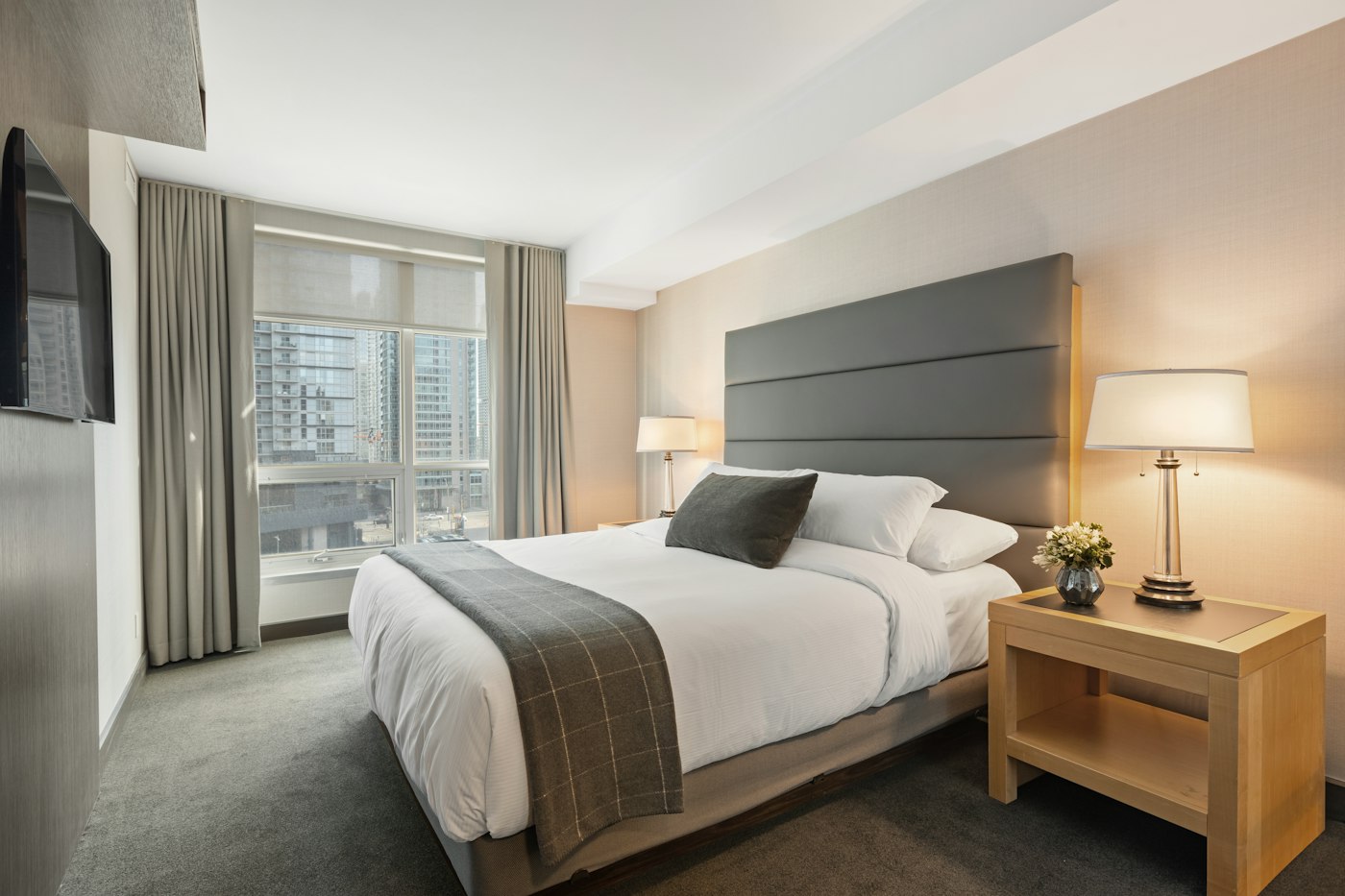
Standard. Superior. Deluxe. Executive. Junior Suite. Suite. Grand Suite. Presidential Suite. Villa. Bungalow. Overwater Villa. Pool Villa. Garden View. Partial Ocean View. Ocean View. Oceanfront. Beachfront. If you've ever felt confused by hotel room categories, you're not alone — the industry seems designed to bamboozle.
Here's the honest truth: there's no universal standard. A "Deluxe" at one hotel might be smaller than a "Standard" at another. But there are patterns, and understanding them can save you money and prevent disappointment. This guide breaks down every common room type so you know exactly what you're booking.
Standard Room Categories
Standard / Classic
The entry-level room. Typically the smallest room type with basic furnishings. In a good hotel, a standard room is perfectly comfortable — you're essentially paying for the same service and public spaces, just in a smaller private room. Pro tip: At luxury hotels, the standard room is often the best value, since you get access to the same pool, spa, and restaurants.
Superior
A step up from Standard — usually slightly larger (5-10 square metres more), with better furnishings or a marginally better view. The upgrade from Standard to Superior is often the least cost-effective jump. You're paying more for incremental differences that rarely transform the experience.
Deluxe
This is where things get meaningfully better. Deluxe rooms are typically 20-40% larger than Standard, with upgraded amenities (better toiletries, a coffee machine, a bathrobe). At many hotels, Deluxe is the sweet spot — the first category where the room feels genuinely spacious and well-appointed.
Premium / Executive
Usually the best non-suite category. Executive rooms often come with access to an executive lounge (free breakfast, evening cocktails, dedicated concierge). At business hotels, the executive lounge alone can be worth the upgrade — free breakfast saves money, and the lounge is a quieter alternative to the lobby bar.
Suite Categories
Junior Suite
Despite the name, a Junior Suite is not always a true suite. It's typically a larger room with a distinct seating area, but often without a separate bedroom — think of it as an oversized room with a sofa section. That said, some Junior Suites are genuinely excellent, offering 50+ square metres and a real sense of space.
Suite
A proper suite has a separate living room and bedroom, divided by a door or solid partition. This is where hotel rooms start feeling like apartments. Suites are ideal for longer stays, couples who want space, or anyone who values being able to close a door between their sleeping and living areas.
Grand Suite / Presidential Suite
The hotel's showcase. Multiple bedrooms, a grand living area, dining space, and often a kitchen. Presidential Suites frequently occupy prime positions (top floor, best view) and come with dedicated butler service. Are they worth the price? If you have to ask, probably not — but they're extraordinary experiences for celebrations.
Specialty Room Types
Villa / Bungalow
A standalone building separate from the main hotel. Common at resort properties in tropical destinations. Villas offer maximum privacy — your own entrance, often your own pool, and the feeling of having your own house. The trade-off is distance from restaurants and facilities. Explore our best hotel pool guide for properties with exceptional private pool villas.
Overwater Villa / Bungalow
Built on stilts over the water, typically in the Maldives, Bora Bora, and parts of Southeast Asia. Features usually include a glass floor panel, direct ocean access (ladder into the water), and an outdoor deck. These are bucket-list stays — expensive but genuinely transformative. See our waterfront hotel collection.
View Categories Decoded
- City View: Facing the city or urban landscape. Can be excellent or dire — depends entirely on the city.
- Garden View: Overlooking hotel gardens. Usually quieter than pool view, and often underrated.
- Pool View: Overlooks the pool area. Can be noisy, especially at resort hotels with families.
- Partial Ocean View: You can see the ocean, but it's not the main feature — perhaps a sliver between buildings.
- Ocean View: A proper view of the ocean, usually from higher floors or angled positions.
- Oceanfront / Beachfront: Direct, unobstructed view of the ocean or beach. The premium category. Worth it.
Smart Booking Strategies
- 1.Book Standard, ask for upgrades: Many hotels will upgrade you at check-in for a fraction of the rack rate difference. Especially mid-week and during off-peak seasons.
- 2.Skip Superior, jump to Deluxe: The Standard-to-Superior upgrade is rarely worth it. If you're going to spend more, jump to Deluxe where the difference is palpable.
- 3.Executive for business trips: The lounge access alone (breakfast + evening drinks) often pays for the upgrade over a 2-3 night stay.
- 4.Compare square metres, not names: Always check the room size in square metres. A "Deluxe" at one hotel might be 28sqm while a "Standard" at another is 40sqm.