Hotels That Teach You to Cook (Culinary Experiences Worth Booking)
The Most Valuable Hotel Amenity
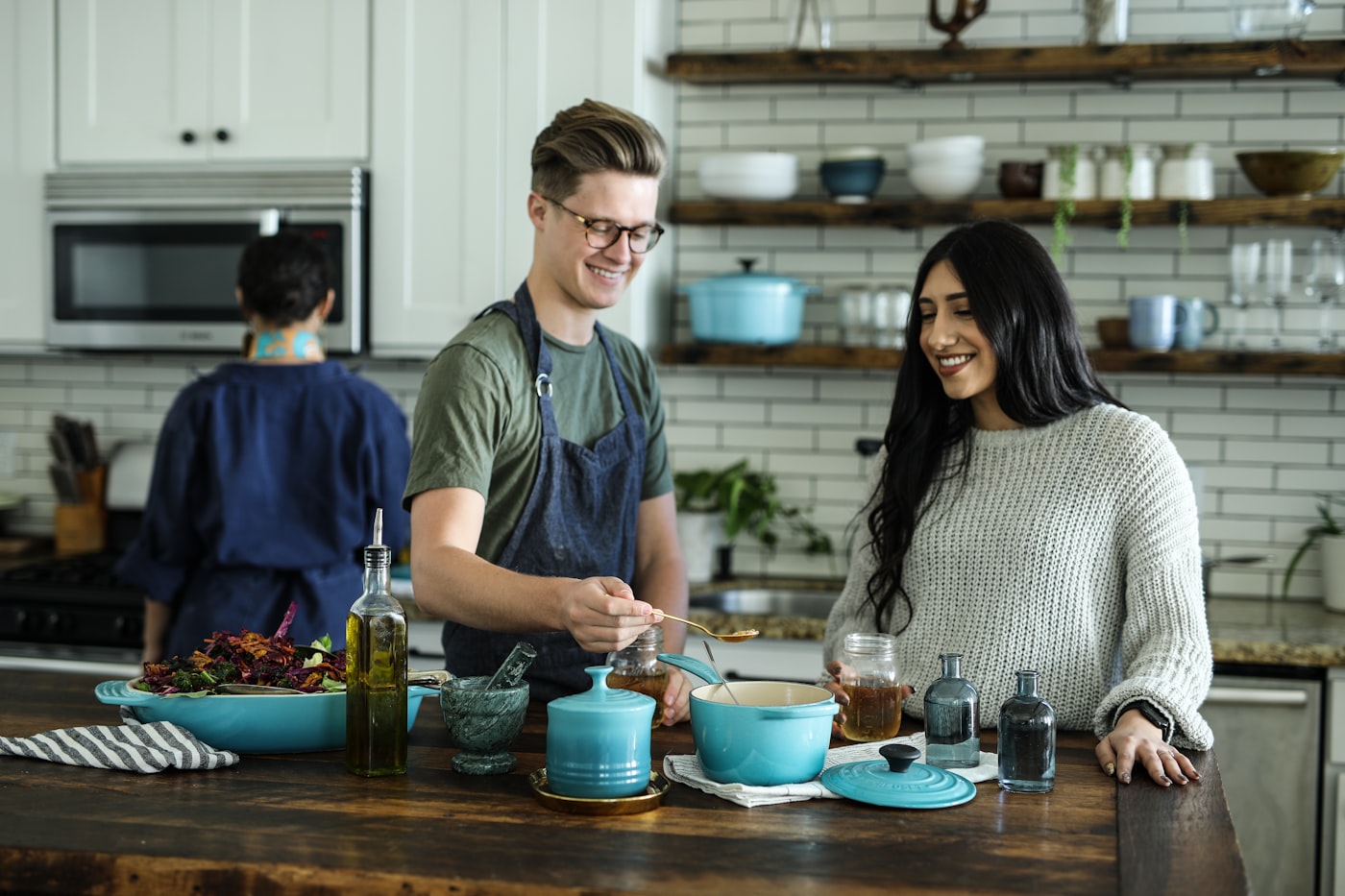
A cooking class is the single best experience a hotel can offer. Unlike a spa treatment (which you forget by Wednesday) or a guided tour (which blurs with other tours), a cooking skill stays with you forever. Every time you make that pasta or curry at home, you're transported back to that hotel kitchen, that teacher, that trip. Here are hotels where the cooking class alone justifies the booking.
Tuscany: Pasta, From Scratch
Castello di Casole offers cooking classes in a 10th-century Tuscan castle kitchen using ingredients from the estate's organic garden. The morning begins with a garden harvest, followed by hands-on instruction in fresh pasta, seasonal sauces, and traditional dolci. You eat your creations for lunch, paired with estate wines. The skills — particularly the pasta technique — are genuinely transferable to a home kitchen.
Thailand: The Art of Balance
Four Seasons Koh Samui runs a Thai cooking school that goes beyond tourist pad thai. Classes start at the local market, selecting ingredients with the chef, then progress to the hotel's cooking pavilion for hands-on instruction in curry pastes, stir-fry techniques, and the balance of sweet-sour-salty-spicy that defines Thai cuisine. The jungle setting adds atmosphere that a Bangkok cooking school can't match.
Tokyo: Sushi Mastery
Palace Hotel Tokyo arranges private sushi-making lessons with a hotel-affiliated itamae (sushi master). You learn knife skills, rice preparation, and the deceptively simple art of nigiri — skills that look easy when watching a professional but require genuine instruction to replicate. The class concludes with eating your creations alongside the chef's — a humbling but delicious comparison.
Morocco: Spice and Tagine
La Maison Arabe in Marrakech was one of the first riads to offer cooking classes, and their programme remains among the best. Instructors guide you through preserved lemons, ras el hanout spice blends, and the slow art of tagine cooking. The class takes place in a traditional kitchen with tiled walls and copper pots — the aesthetics are part of the education.
What Makes a Great Hotel Cooking Class
- Market visit: The best classes begin at the source — selecting ingredients with the chef teaches you as much as the cooking itself
- Hands-on: Demonstration classes are entertainment; participation classes are education. Always choose hands-on
- Take-home recipes: Printed recipes with measurements adapted for a Western kitchen are essential for recreating dishes at home
- Small groups: Maximum 8 participants for meaningful individual instruction
- Local cuisine: A Tuscan hotel teaching Thai food is a red flag. The best classes teach what the place does best
Frequently Asked Questions
Which country is best for hotel cooking classes?
Italy and Thailand lead, offering the most accessible and transferable culinary traditions. Japan provides the most technically impressive classes, while Morocco and India offer the most immersive cultural experiences.
How much do hotel cooking classes cost?
Typically $75-$200 per person for a half-day class including ingredients and the meal. Some luxury resorts include classes in room packages. Private sessions with the head chef can cost $300-$500+ but offer an incomparable experience.
Can beginners take hotel cooking classes?
Absolutely. Most hotel cooking classes are designed for enthusiastic beginners. The instructors are accustomed to teaching travellers with varying skill levels, and the recipes are typically chosen for their accessibility.
Explore These Destinations
Affiliate Disclosure: Some links in this article are affiliate links — we may earn a commission if you make a booking at no additional cost to you. Our editorial recommendations are never influenced by partnerships. See our Terms.