Japan Hotel Guide for First-Time Visitors 2026 — Ryokans, Capsules & Everything Between
First trip to Japan? Our complete hotel guide covers ryokans, capsule hotels, business hotels, and luxury properties across Tokyo, Kyoto, Osaka, and beyond.
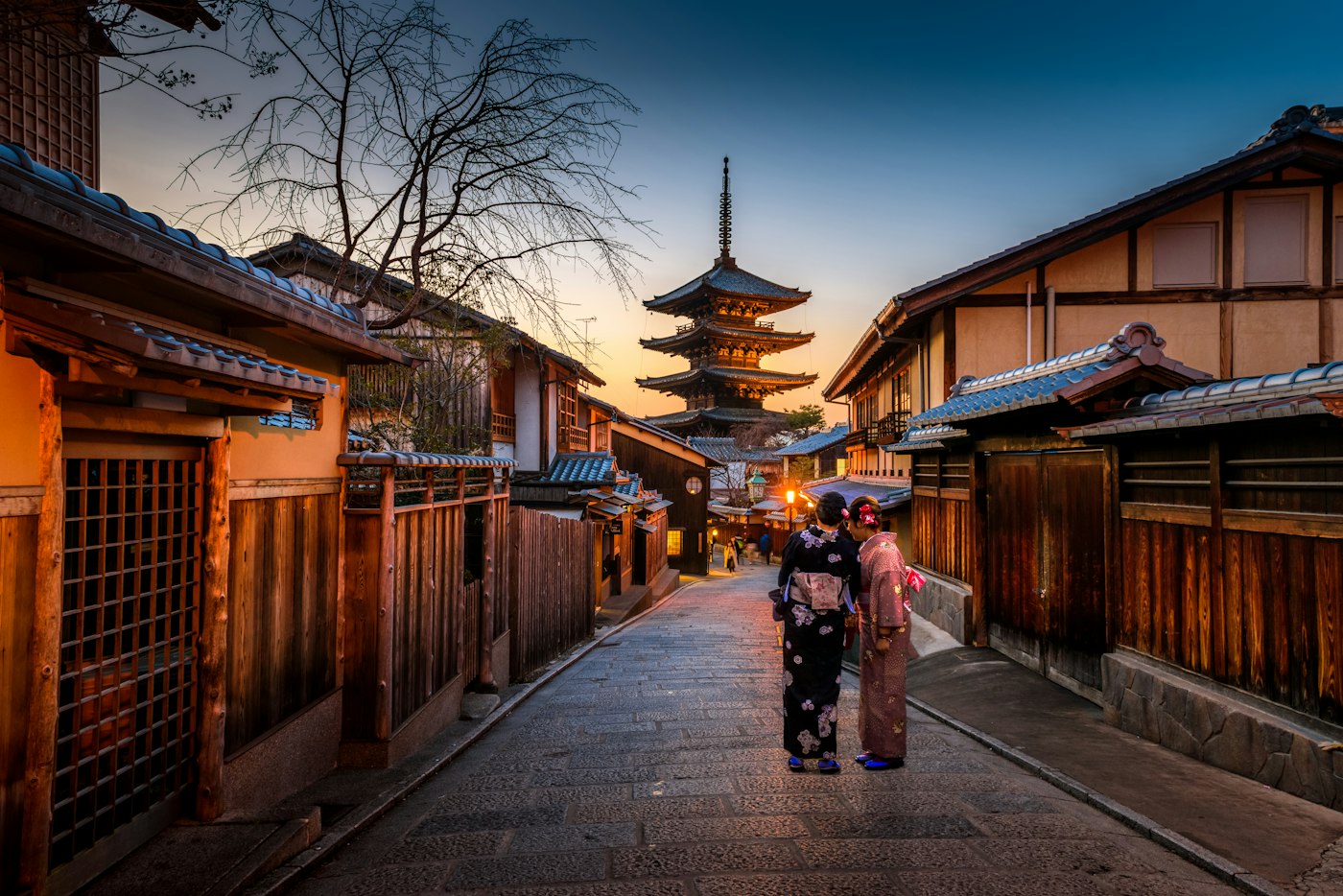
Japan's hotel landscape is unlike anywhere else on earth. Where else can you sleep in a 200-year-old wooden inn with private hot spring baths, a sci-fi capsule pod in a Shinjuku tower, and a Michelin-starred ryokan where dinner is a 12-course kaiseki performance — all in the same week?
For first-time visitors, the variety is thrilling but overwhelming. This guide breaks down every hotel type you'll encounter in Japan, where to use each one, and how to build a trip that captures the full spectrum of Japanese hospitality — which, by the way, is the best in the world.
Japanese Hotel Types Explained
Ryokan — The Quintessential Japanese Experience
Ryokans are traditional Japanese inns, and staying in at least one is non-negotiable for a first Japan trip. The experience: you sleep on a futon on tatami-mat floors, bathe in an onsen (natural hot spring), and eat multi-course kaiseki dinners prepared by the ryokan's chef. The best ryokans are in Hakone (easy from Tokyo), Kinosaki, and the Japanese Alps. Expect to pay ¥30,000-80,000 per person per night including dinner and breakfast — expensive, but it's a complete experience, not just a room.
Capsule Hotels — More Comfortable Than You Think
The capsule concept has evolved far beyond the salary-man pods of the 1970s. Modern capsule hotels like Nine Hours and First Cabin offer clean, well-designed spaces with surprisingly good sleep quality. They're perfect for a one-night Tokyo experience, transit hotel stays, and budget-conscious travellers who don't need space. Most have separate floors for men and women, communal baths, and luggage storage.
Business Hotels — Japan's Hidden Gem
Japan's business hotel chains (Dormy Inn, Route Inn, Toyoko Inn) are the country's best-kept secret. The rooms are small (12-18sqm typically), but the quality is extraordinary for the price — spotlessly clean, well-maintained, with amenities that shame Western equivalents. Dormy Inn is the standout: every property has a free onsen bath and serves free late-night ramen. For ¥8,000-12,000 per night, they're unbeatable value.
Luxury Western Hotels
Tokyo has one of the world's deepest luxury hotel markets. The Aman, Park Hyatt (Lost in Translation), Peninsula, Mandarin Oriental, and Palace Hotel are all exceptional. What makes luxury in Tokyo special is the service — Japanese hospitality standards applied to Western luxury concepts create a level of care that's unmatched globally. Expect to pay ¥50,000-150,000+ per night.
City-by-City Hotel Strategy
- •Tokyo (3-4 nights): Stay in Shinjuku or Shibuya for energy and access. Mix one luxury night with business hotel nights. See our Tokyo guide.
- •Kyoto (2-3 nights): Stay in a machiya (converted townhouse) or boutique hotel in Higashiyama. Ryokan for one night if budget allows. See our Kyoto guide.
- •Osaka (1-2 nights): Stay near Dotonbori for the food scene. Business hotel is perfect here — you'll be out eating, not in the room. See our Osaka guide.
- •Hakone (1 night): Ryokan with private onsen. This is the one splurge night that defines the trip.
For more Japan inspiration, read our Tokyo vs Kyoto comparison or explore our Tokyo vs Seoul guide if you're considering combining both cities.