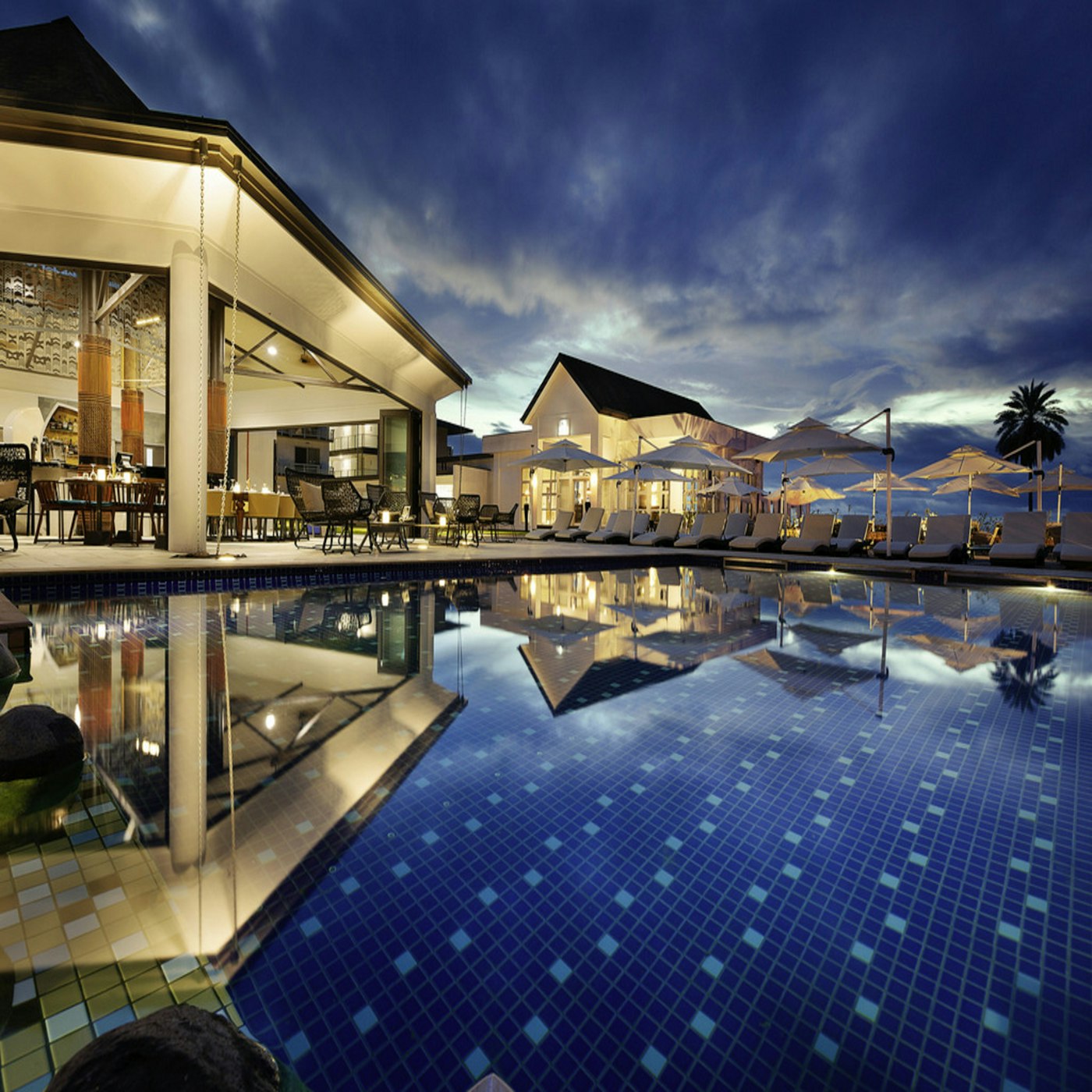
Hotels That Photographers Dream About (Most Photogenic Stays)
Beyond the Instagram Shot
An Instagrammable hotel and a truly photogenic hotel are different things. The first is designed for one angle, one filter, one moment. The second rewards exploration — changing with the light, revealing new compositions at dawn and dusk, offering the kind of visual depth that makes a photographer return to the same frame and find something new. These are hotels in the second category.
Santorini: The Photographer's Mecca
Katikies Hotel in Oia is a study in white-on-blue composition. The cave suites, infinity pools, and terraced architecture create layers of visual interest that shift with the sun's position. Golden hour here lasts longer than it should — the caldera's orientation extends the warm light. Bring a wide lens and a telephoto: you'll need both.
Morocco: Colour and Pattern
Royal Mansour Marrakech is a photographer's playground of zellige tilework, carved plaster, and riad architecture. The geometric patterns alone could fill a coffee table book. The light in the central courtyard at noon creates razor-sharp shadows that would make a Bauhaus architect weep. And the rooftop, looking across the medina to the Atlas Mountains, provides a landscape context for all that intricate detail.
Japan: Minimalist Perfection
Benesse House on Naoshima Island merges Tadao Ando's concrete architecture with an island full of outdoor art installations. The building itself — clean concrete, precise apertures, museum-quality light — is a masterclass in architectural photography. The surrounding Yayoi Kusama pumpkins and James Turrell installations add surreal punctuation.
Rajasthan: Cinematic Scale
Umaid Bhawan Palace in Jodhpur is one of the world's last great Art Deco palaces — 347 rooms of sandstone grandeur set against the blue-washed city below. The palace's scale is cinematic. The light at sunset, when the sandstone glows amber against the Thar Desert, produces photographs that look like they belong in a film.
Norway: Light as the Subject
Juvet Landscape Hotel in Valldal consists of glass-walled cabins suspended over a river gorge in the Norwegian countryside. The architecture deliberately frames the landscape — each room is a viewfinder. In summer, the midnight sun creates 20-hour golden hours. In winter, the Northern Lights become your ceiling.
Tips for Hotel Photography
- Golden hour: Wake before sunrise for empty pools and warm light on architecture
- Ask permission: Most hotels welcome photography but appreciate being asked, especially in restaurants and spas
- Wide angle for architecture: 16-35mm for interiors and building exteriors
- Details matter: Shoot the tilework, the textiles, the table settings — these tell the story of a hotel better than the wide establishing shot
Frequently Asked Questions
What are the most Instagrammable hotels?
Santorini cave hotels, the infinity pool at Marina Bay Sands, Royal Mansour Marrakech, and Bali's Hanging Gardens are among the most photographed. But the most rewarding hotels for photography often lie beyond the obvious.
Can you take professional photos in hotels?
Most luxury hotels welcome guest photography, but commercial shoots typically require permission and may involve a fee. Always ask the reception if you plan to use a tripod in public areas.
What camera gear should I bring to photograph hotels?
A wide-angle lens (16-35mm) for interiors, a standard zoom (24-70mm) for details and food, and a fast prime (35mm or 50mm f/1.4) for low-light lobbies and restaurants.
Explore These Destinations
Affiliate Disclosure: Some links in this article are affiliate links — we may earn a commission if you make a booking at no additional cost to you. Our editorial recommendations are never influenced by partnerships. See our Terms.