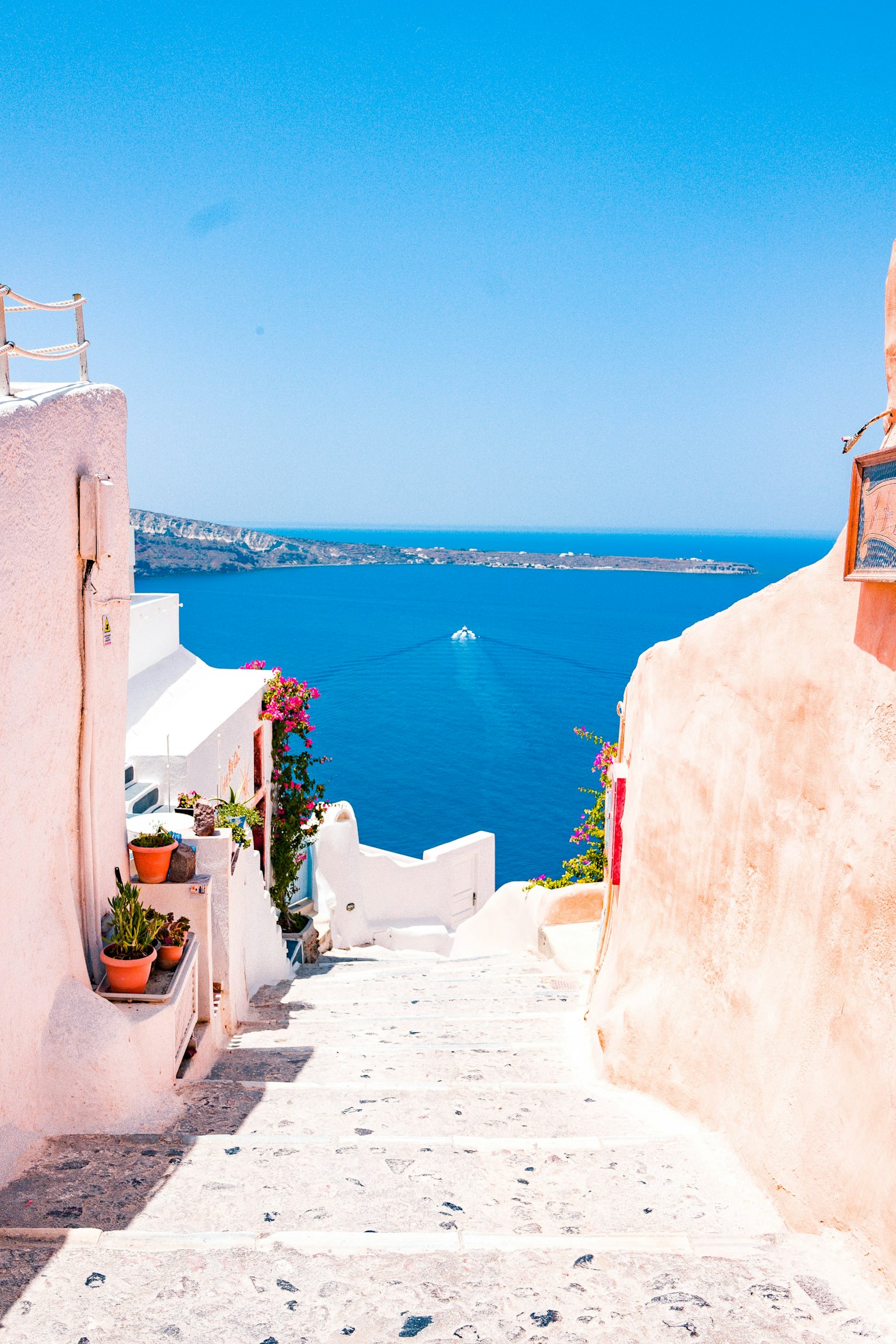
Best Time to Visit Greek Islands
Greece
The Greek Islands are a summer destination — but 'summer' spans April to October, and the difference between June and August is the difference between paradise and purgatory. Timing your island visit is the single most important decision for your trip.
Best Months
May-June, September-October
Good Months
April, July
Consider Avoiding
August (overcrowded, overpriced), November-March (most islands shut down)
Season by Season
Spring (April-May)
Wildflowers, empty beaches, and ferries that actually have seats available. April can be cool for swimming (18-20°C sea temperature), but May is perfect: warm days (22-26°C), warm sea, minimal crowds. Some smaller islands may have limited services in April.
Early Summer (June)
The sweet spot. Temperatures: 25-30°C, sea temperature: 22-24°C, long days, and crowds haven't peaked. All services are running, restaurants are open, and you can still get tables without reservations on Santorini and Mykonos.
Peak Summer (July-August)
Hot (30-38°C), windy (the Meltemi wind blows strong in the Cyclades), and overwhelmingly crowded on popular islands. August is the most expensive month with the worst tourist-to-local ratio. If you must go, choose less-visited islands (Naxos, Milos, Folegandros).
Autumn (September-October)
September is arguably the best month: warm sea (25-26°C), summer temperatures without August's extremes, and the exodus of peak-season tourists. October is pleasant on southern islands (Crete, Rhodes) but cooler and windier in the Cyclades.